Security
Fortified intelligence: How AI is redefining smart-building security systems
With huge developments in AI, security in smart buildings is better than ever.
Smart buildings now use AI to make security proactive rather than reactive. By integrating IoT sensors, video analytics, biometrics, and platforms like Smart Core, they detect threats in real time, prevent breaches, and protect people, assets, and data across commercial properties. This guide explains how AI-powered security works for landlords, facilities managers, and tenants, and how Smart Core strengthens it.
What is AI-powered security in smart buildings?
AI-powered security in smart buildings uses machine learning, sensors, and connected systems to monitor, analyse, and respond to threats faster than human-only setups. Instead of just recording incidents, it identifies risks as they form (such as unusual movement or access attempts) and triggers automated actions like alerts or lockdowns.
For commercial landlords and facilities managers, this means fewer breaches, lower response times, and integrated protection that works alongside energy, access, and maintenance controls. Tenants benefit from safer, more reliable spaces without added complexity.

How does AI video analytics improve building security?
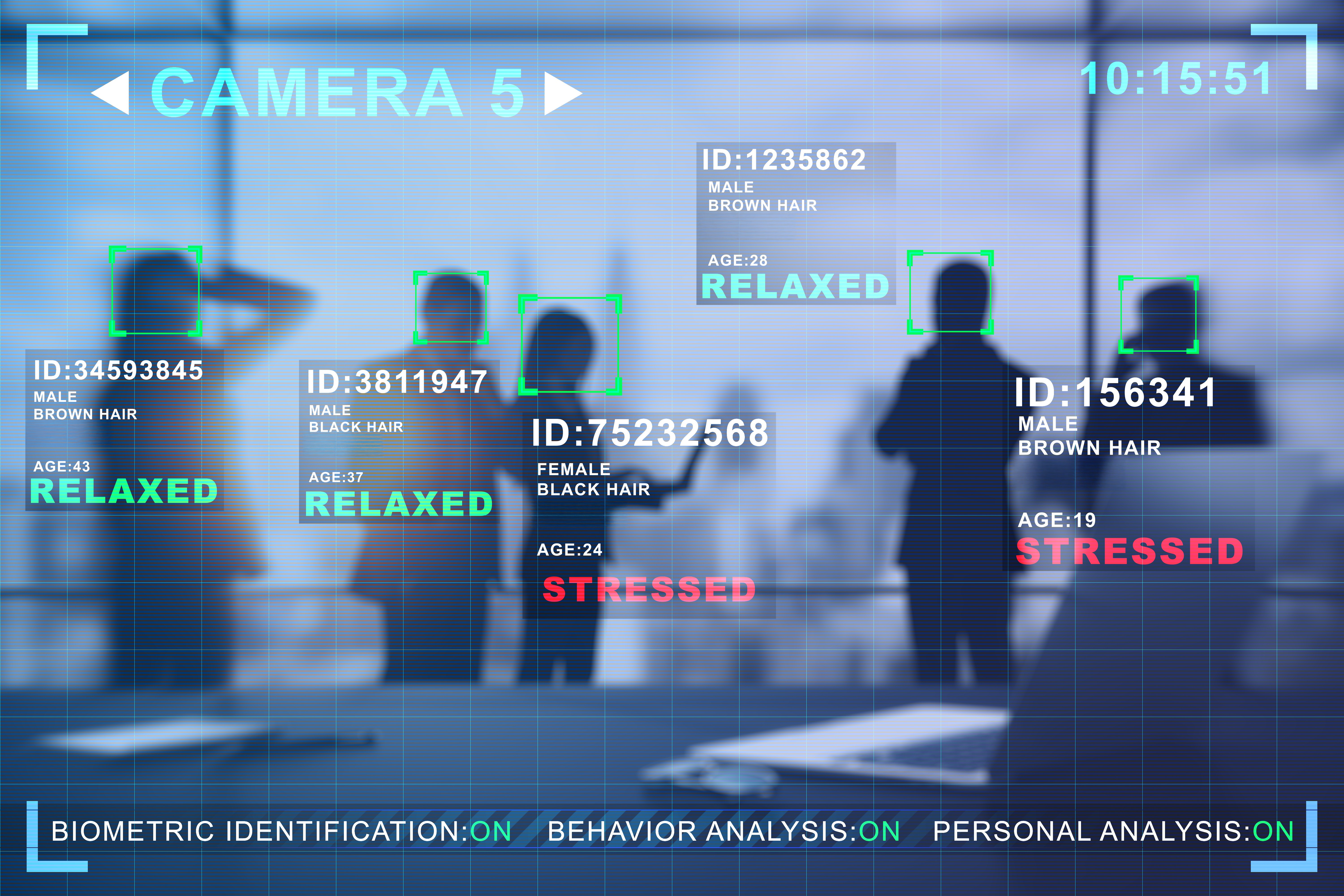
AI video analytics processes camera feeds in real time to spot anomalies that humans might miss. It distinguishes normal activity from threats, such as loitering near secure doors, tailgating, or abandoned objects, and sends instant alerts.
Key capabilities include:
Real-time behaviour recognition (e.g. fighting, falling, or crowding)
Object detection (e.g. weapons, bags in restricted zones)
Pattern analysis to flag deviations from baseline activity
When integrated with systems like Smart Core, analytics feed into a central dashboard, allowing facilities managers to correlate video events with door logs, occupancy data, or environmental sensors for a complete incident picture.
What is biometric access control and why use it in smart buildings?
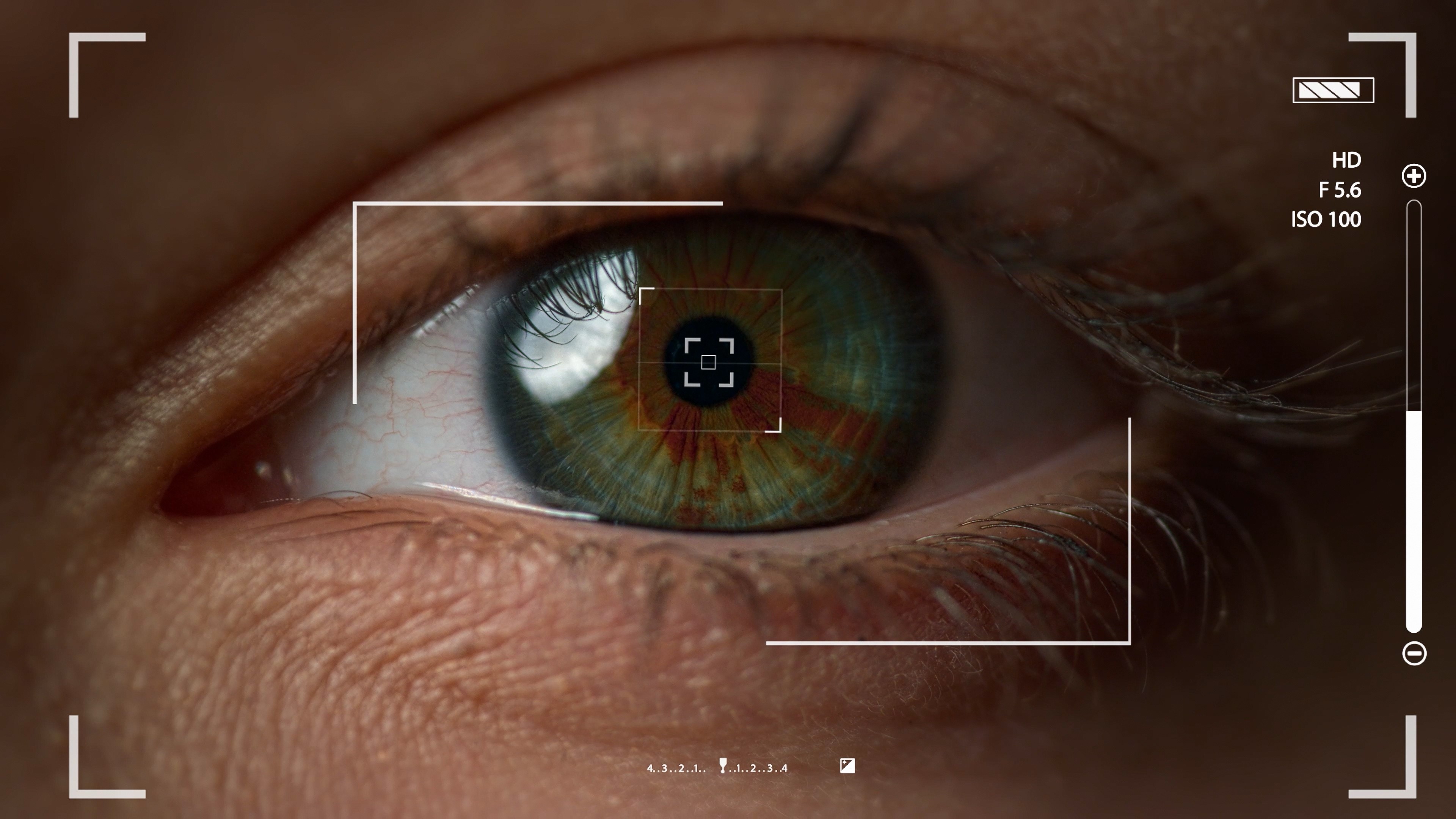
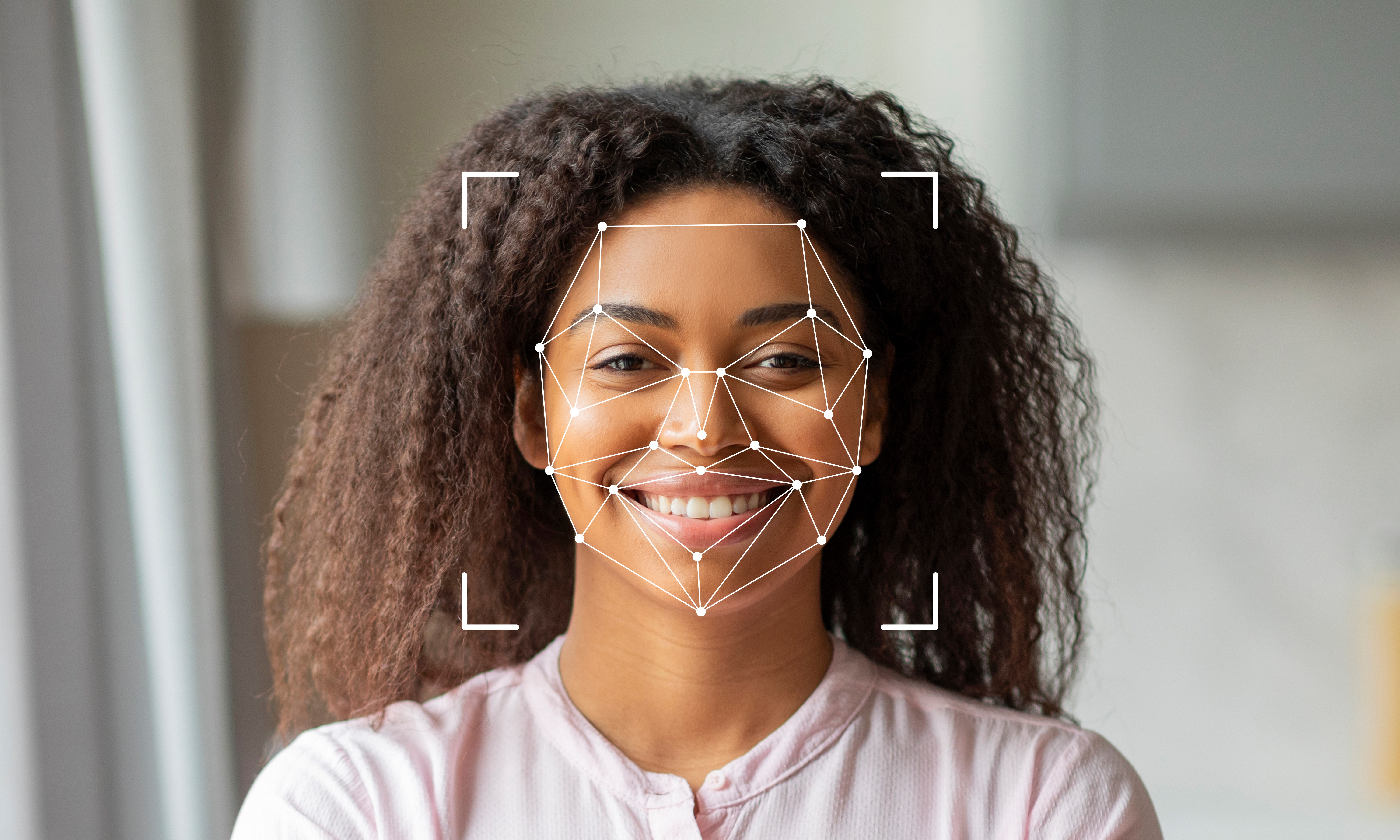
Biometric access control uses unique physical traits like face, fingerprint, iris, or voice to verify identity, replacing keys or cards that can be lost or shared. It provides higher accuracy, faster entry, and detailed audit trails without physical tokens.
Common types include:
Facial recognition for hands-free doors and elevators
Fingerprint or palm scanners for high-security zones
Multi-biometric setups combining several methods
Smart Core enhances this by layering biometrics onto unified access management, so landlords can enforce policies across portfolios while tenants get seamless, personalised entry tied to their booking or occupancy data.
How does predictive surveillance prevent security incidents?
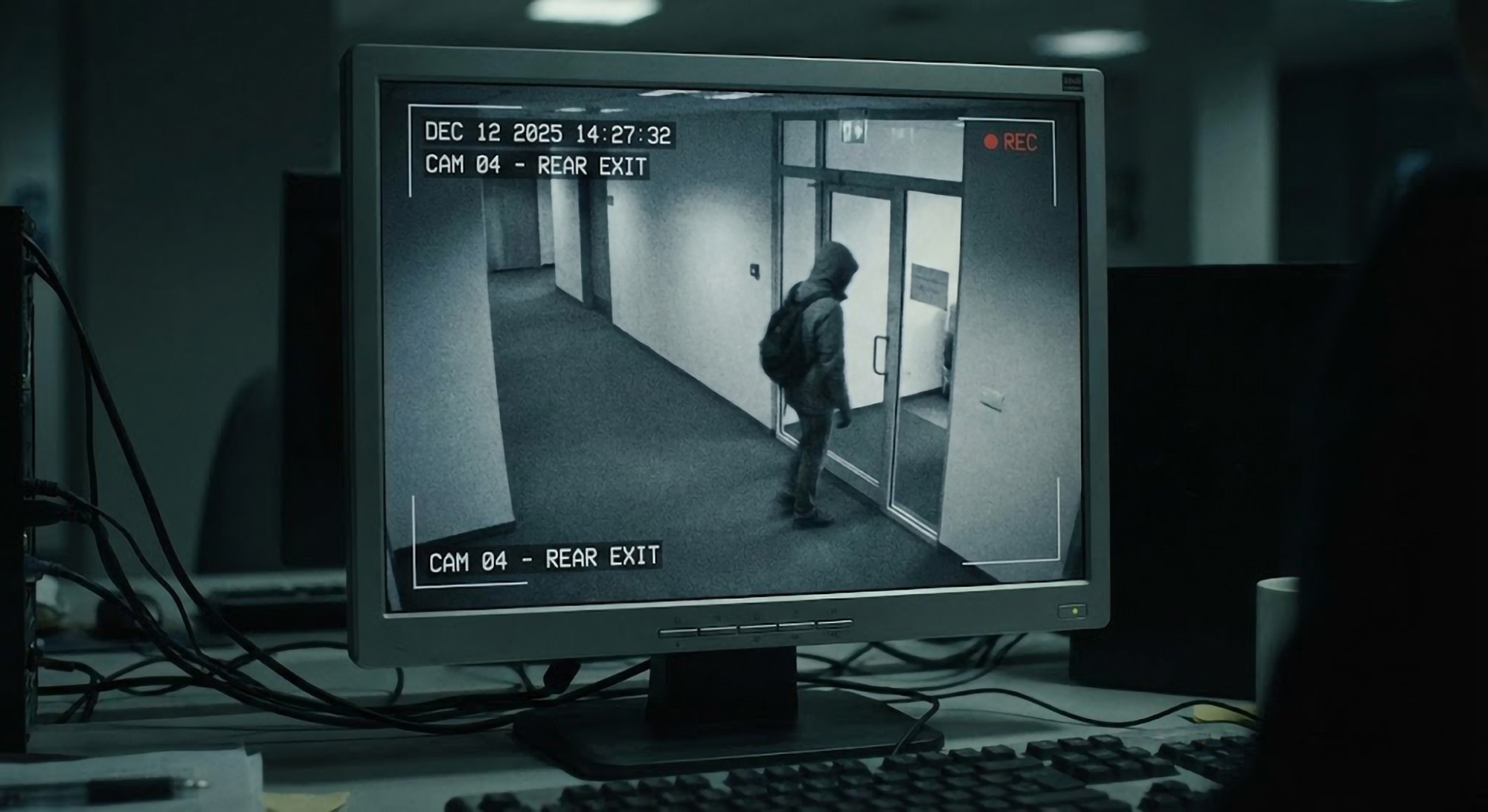
Predictive surveillance uses AI to learn normal patterns - occupancy, routes, access times - and flag deviations like after-hours activity or repeated failed logins. It anticipates risks by analysing trends over days or weeks, alerting teams before issues escalate.
Benefits include:
Reduced false alarms through context-aware detection
Early warnings for internal threats or tailgating
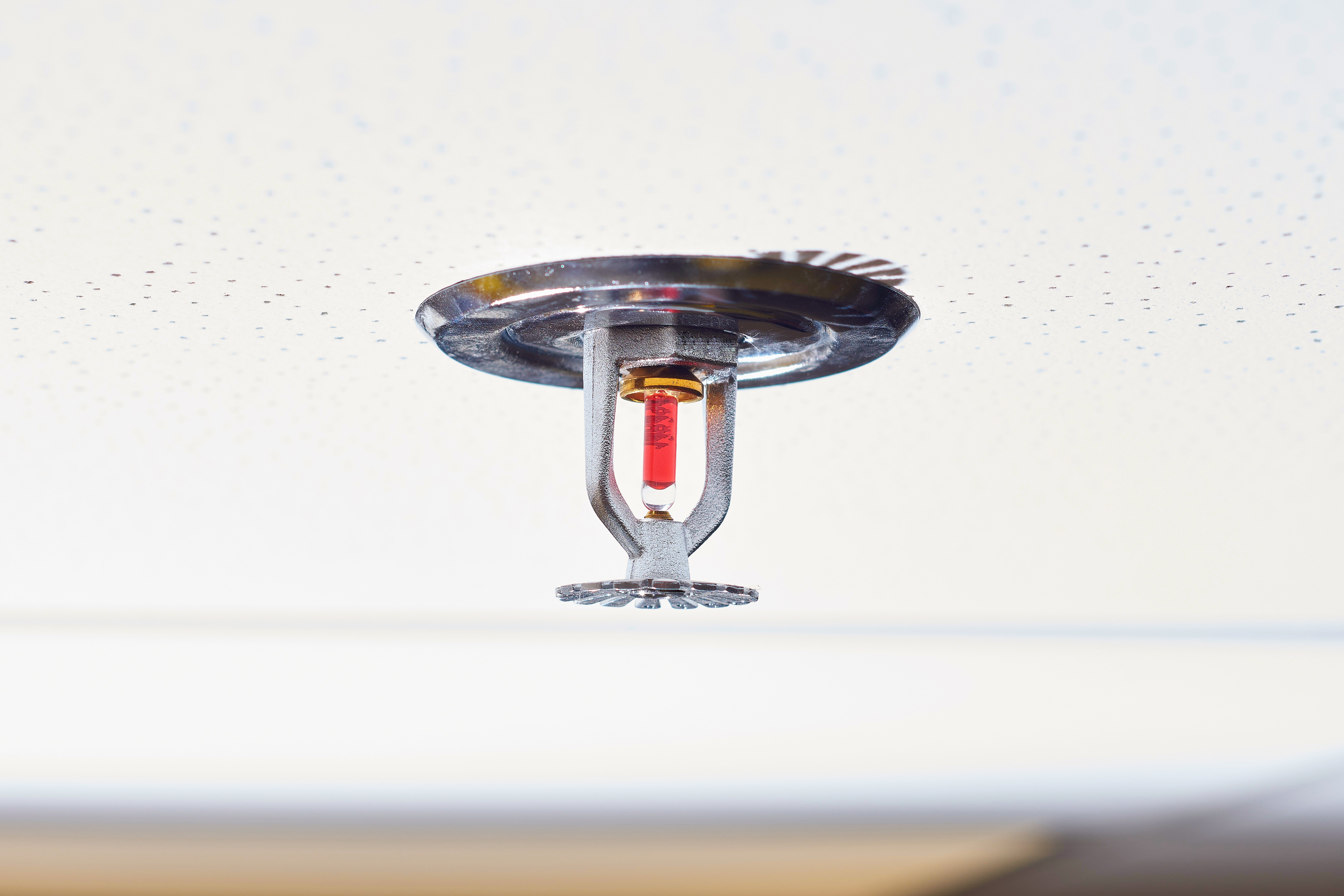
Integration with fire, HVAC, and lighting for automated responses (e.g. isolate a floor)
For facilities managers, Smart Core makes this actionable by combining predictions with live controls, turning insights into immediate lockdowns or notifications.

What role do IoT sensors play in smart building security?
IoT sensors create a pervasive monitoring network across doors, windows, perimeters, and interiors, detecting motion, pressure changes, smoke, or temperature spikes. They provide granular data that AI uses to verify video alerts or trigger standalone responses.
Typical sensors cover:
Door/window status and tamper detection
Perimeter vibration or glass-break alerts
Occupancy and environmental hazards
Integration with elevators, HVAC shutdowns, or emergency lighting
Smart Core unifies these with other systems, so a perimeter breach can automatically lock internal doors, adjust cameras, or notify tenants via apps.
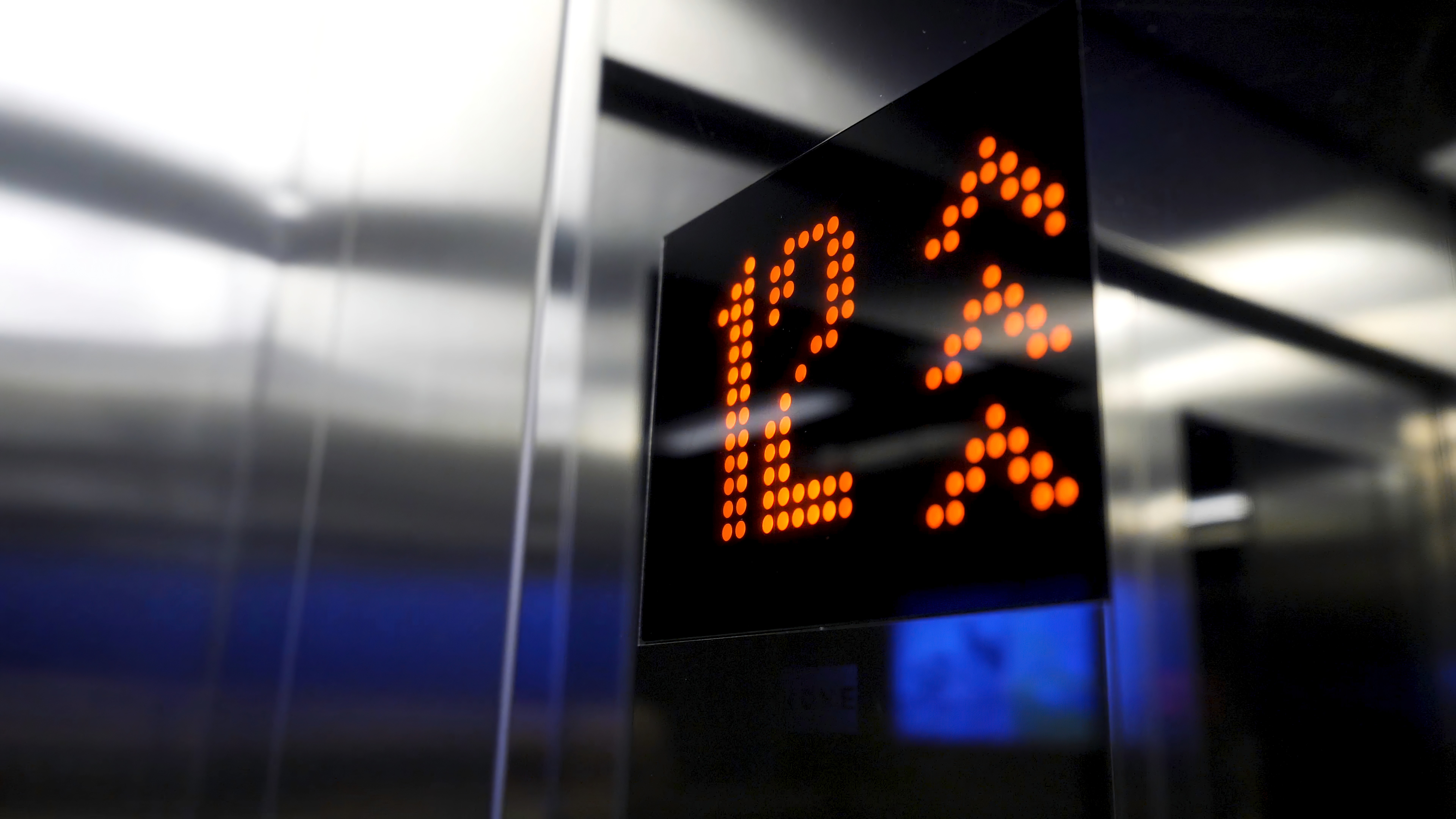
How does multi-factor authentication strengthen smart building access?
Multi-factor authentication (MFA) combines biometrics, mobile apps, badges, PINs, or geofencing to create layered entry that no single credential can bypass. It's essential for high-stakes areas like server rooms or executive floors.
Examples include:
Face scan + mobile approval for executive lifts
Badge + geofence proximity for parking access
PIN + behaviour analysis for after-hours entry
Through Smart Core, MFA scales across multi-tenant buildings, with landlords setting site-wide rules and facilities managers monitoring compliance in real time.
What is edge-cloud security architecture and why does it matter?
Edge-cloud architecture processes urgent threats locally (edge) for instant response - like door locks or alarms - while sending data to the cloud for long-term analysis, updates, and multi-site oversight. This hybrid ensures speed without sacrificing scalability.
Edge handles:
Real-time decisions (e.g. deny access, trigger sirens)
Offline resilience during network issues
Cloud provides:
AI model training and updates
Portfolio dashboards for landlords
Smart Core operates in this model, giving facilities managers local control with central visibility for rapid, coordinated responses.
Why is advanced security critical for commercial buildings?
In commercial properties, breaches threaten tenant safety, data confidentiality, business continuity, and asset value. AI security minimises these risks by preventing incidents, automating compliance (e.g. GDPR, ISO standards), and providing evidence for insurance or audits.
For landlords
Protects revenue through higher tenant retention and lower claims.
For facilities managers
Simplifies operations with fewer false alarms and integrated alerts.
For tenants
Delivers peace of mind and reliable access without friction.
What challenges come with AI smart building security?
Key hurdles include:
Integrating legacy CCTV or access systems with modern AI
Ensuring data privacy and cybersecurity across connected devices
Training teams to act on AI insights rather than override them
Balancing security with user convenience in multi-tenant spaces
Smart Core addresses these by offering open integrations, secure protocols, and intuitive dashboards that make advanced security accessible without overhauling existing setups.
How does Smart Core enhance security for landlords, facilities managers, and tenants?
Smart Core acts as the intelligent hub that ties security into the full building ecosystem - HVAC, energy, access, and maintenance - for landlords, facilities managers, and tenants.
For landlords
Portfolio-wide threat dashboards, compliance reporting, and standardised security policies to protect asset value.
For facilities managers
Unified alerts from video, sensors, and access, with automated responses and maintenance tie-ins (e.g. secure a floor during an incident).
For tenants
Seamless, app-based access, real-time safety notifications, and visibility into their space's security status.
By centralising AI security within everyday operations, Smart Core makes protection proactive, scalable, and integral to running smarter, safer buildings.
Smart buildings deserve smart security
Advanced security systems are no longer optional - they’re an essential foundation for any smart building strategy. By combining AI, IoT sensors, biometric authentication, and hybrid edge-cloud architectures, today’s buildings achieve a new standard of proactive, predictive, and integrated protection.
As smart buildings continue to evolve, security will remain at the centre, ensuring that the buildings of the future are not just efficient and connected, but also resilient, safe, and uncompromisingly secure.
Smart building security and Smart Core FAQ
How does Smart Core integrate with existing CCTV and access systems?
Smart Core connects to legacy CCTV, BMS, and access controllers via open APIs and protocols, pulling video, logs, and sensor data into one platform without full replacement. This lets facilities managers layer AI analytics on top of what they already have.
Can Smart Core handle security across a multi-tenant portfolio?
Yes, Smart Core segments security by building, floor, or tenant, enforcing unique policies while giving landlords oversight. It supports shared dashboards for compliance and rapid response across sites.
How does Smart Core protect tenant privacy in AI security?
Smart Core uses role-based access, data anonymisation for analytics, and compliance tools (e.g. GDPR-ready logs) so tenants control their data while benefiting from building-wide protection.
What’s the quickest way to add AI security to a commercial building?
Start with Smart Core connecting existing cameras and doors to enable basic AI alerts and anomaly detection, then add biometrics or sensors for deeper coverage, delivering value in weeks, not months.
Does Smart Core security work offline or during outages?
Edge processing in Smart Core handles core functions like door locks and local alerts without internet, syncing to cloud when connectivity returns for full analytics and reporting.
How does Smart Core security support insurance and compliance?
Smart Core generates time-stamped audit trails, incident reports, and performance metrics that prove proactive measures, helping landlords and operators meet ISO, GDPR, and insurer requirements with automated evidence.
Related articles
Our platform is designed to empower businesses of all sizes to work smarter and achieve their goals with confidence.