Asset Booking
The 8:47am bike rack lottery: How Smart Core is solving the modern workplace's hidden frustration
Intelligent bike rack management

Every weekday morning at 8:47am, Sarah circles the basement bike parking area for the third time. Her helmet is already making her forehead itch, her laptop bag is cutting into her shoulder, and she's starting to regret the decision that seemed so simple twenty minutes ago: cycling to work.
The bike racks are full. Again.
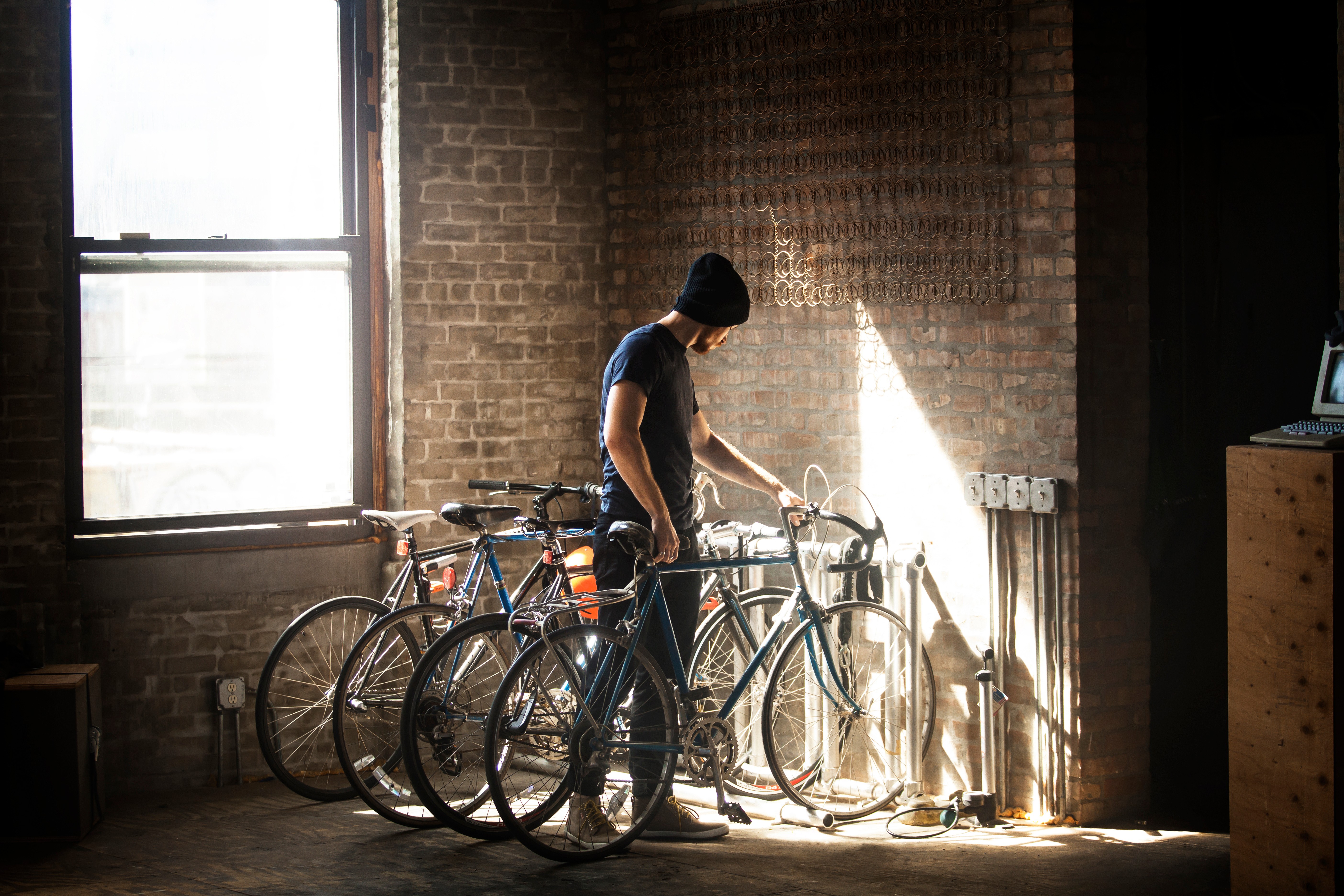
She can see three bikes that have been there for weeks-their tyres flat, their frames gathering dust. She knows that by the time she gets upstairs, checks the morning's priorities, and settles in, several racks will be mysteriously empty. But right now, at 8:47am, when she needs one? Nothing.
Sound familiar?
The Invisible Problem
We've spent the last decade revolutionising how we work. We've perfected the science of booking meeting rooms, we've created sophisticated systems for hot-desking, parking spaces, and even lunch deliveries. But somehow, we've overlooked one of the most fundamental amenities in the modern sustainable workplace: bike parking.

The numbers tell a compelling story. In London alone, cycling to work increased by 154% between 2001 and 2021. Companies are proudly announcing ambitious sustainability targets. Employees are choosing bikes over cars for their commute. Yet when it comes to the infrastructure that makes cycling viable, we're stuck in the analogue age.
Walk into any corporate bike room during peak hours and you'll witness the same scene Sarah experiences. Employees hovering near full racks, eyeing bikes that haven't moved in weeks, making quick mental calculations about whether that dusty mountain bike really belongs to someone or if it's safe to move it aside.
It's a small frustration, maybe. But it's one that happens twice a day, five days a week, for thousands of employees across any major city. And small frustrations, when repeated, become the reasons people stop cycling to work altogether.
The ripple effect of poor bike parking
It's a pattern we see repeatedly: organisations install bike racks with what seems like generous capacity - perhaps 50% more than initial estimates suggest. Within six months, they're fielding complaints about overcrowding during peak times. Yet when they finally examine the utilisation data, it tells a different story: only 60-70% usage throughout the day.
The maths doesn't add up until you dig deeper.
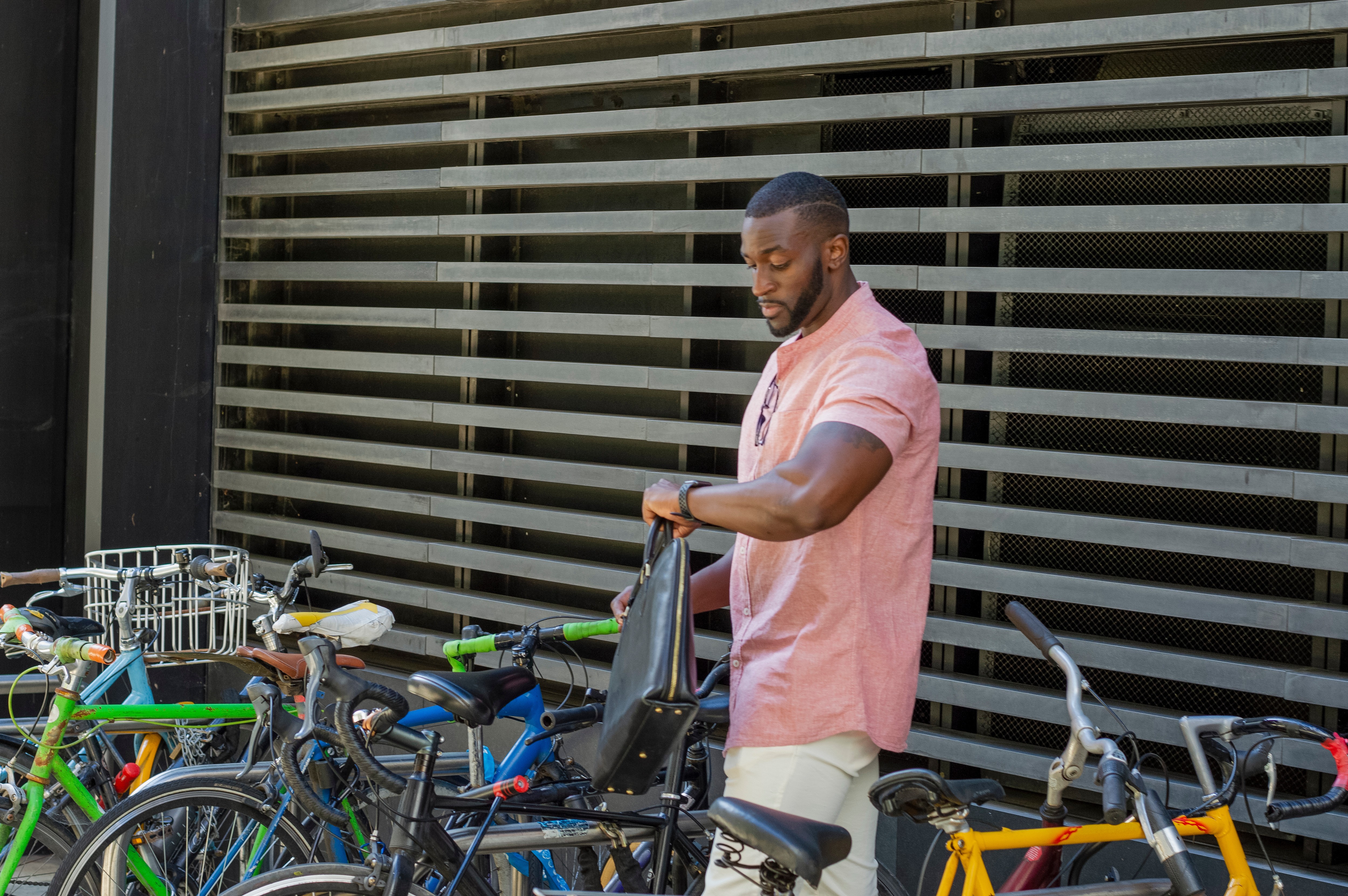
The problem wasn't capacity, it was distribution and visibility. Racks were full from 8am to 9:30am, then partially empty for the rest of the day. People were holding spaces "just in case" while working hybrid schedules. Abandoned bikes occupied prime real estate. And most critically, employees had no way to know if a space was available until they showed up with their bike.
The result? Frustrated employees switching back to cars, wasted space, and a sustainability initiative that looked good on paper but failed in practice.
Enter the Connected Workplace
Now imagine a different 8:47am.
Sarah is finishing her morning coffee at home when she opens Smart Core Connect to check her office's bike parking. Rack 23 is free. She taps it. Reserved.

When she arrives at the basement fifteen minutes later, a small green LED light pulses above Rack 23 - her spot. She locks up, grabs her bag, and heads to the lift - the entire process taking less than two minutes.
Meanwhile, in the facilities office upstairs, the workplace team is looking at a different view of the same system. They can see that Tuesday and Wednesday mornings have peak demand (90% utilisation) while Mondays and Fridays average 45%. They notice three bikes haven't moved in over 30 days. They observe that the western section of racks is consistently underutilised - probably because the lighting is poor.
Two different users. Two different needs. One integrated solution.
The technology behind the transformation
What makes this possible is deceptively simple: pressure sensors, LED indicators, and an intelligent booking layer integrated directly into the workplace's digital floorplan.
The pressure sensors - installed on each rack - detect when a bike is present. Not through cameras or invasive tracking, but through simple weight detection. A bike arrives, the sensor registers it, the system updates.
Above each rack, a small LED indicator provides instant visual feedback. Green means available. Red means occupied. It's the same intuitive language we've been using in parking garages for years, brought into the workspace.

But here's where it gets interesting: because this isn't a standalone system but part of Smart Core Connect's broader workplace platform, it talks to everything else. The access control system knows when employees enter and leave the building. The booking system knows who has reserved what. The analytics engine correlates all of this data to provide genuine insight.
You're not just digitising bike racks, you're creating an intelligent mobility ecosystem.
Any asset, anywhere
The broader implication extends far beyond bikes.
Once you have the infrastructure to make any item on a floorplan bookable, the possibilities multiply. That bank of lockers in the changing room? Bookable. The EV charging stations in the car park? Bookable. The equipment storage cupboard in the gym? Bookable.
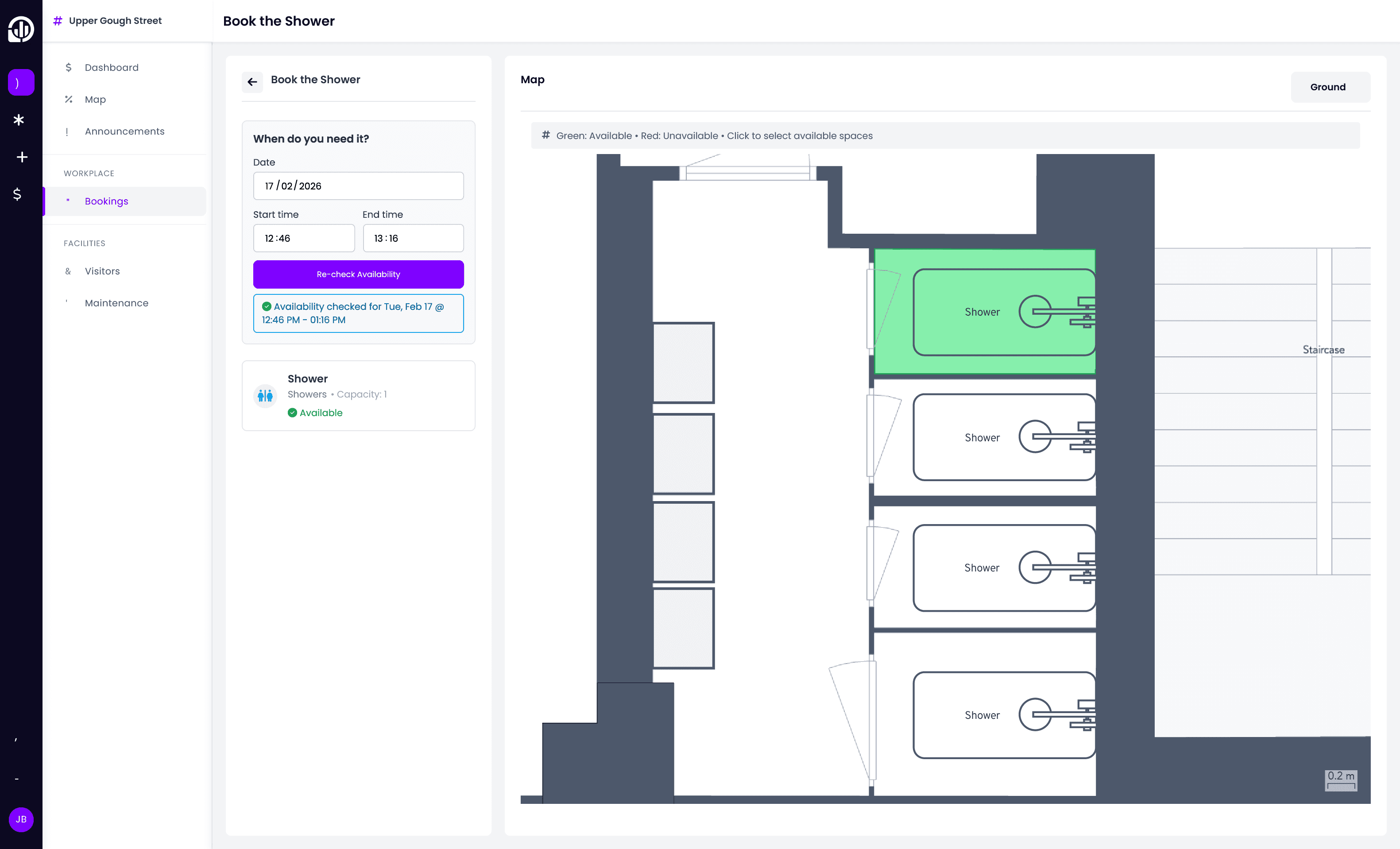
Consider these scenarios.One client could realise they can apply the same system to their shower facilities. If peak demand at 8:30am means queues and frustration, with booking and live availability, people can stagger their arrivals. Utilisation would be smoothed out, and satisfaction increased.
Another organisation could use the pressure sensor technology on parcel shelves. Deliveries could otherwise pile up, uncollected, creating both clutter and security concerns. Now they could use a system that knows when a parcel arrives (weight detection), assigns it to the recipient, and sends a notification. When it's collected, the sensor confirms it, and the space becomes available again.
The technology is the same, but the application is limited only by imagination.
The Data Story
Imagine what three months of live data could reveal about your bike parking:
Is actual peak utilisation lower than perceived demand, with the real constraint being timing rather than capacity?
How many bikes have been abandoned long-term, occupying valuable space?
Are certain entrances or locations preferred over others, despite equal capacity?
Which days of the week see the highest demand, and does this align with your hybrid working patterns?
How far in advance do employees prefer to book, and what does this tell you about planning behaviour?
Armed with these insights, facilities teams can make data-driven decisions: reallocate racks to high-demand areas, implement abandonment policies with automated notifications, adjust capacity for peak days, and improve underutilised spaces.
The outcome? Accommodate significantly more cyclists without adding infrastructure, simply by optimising what you already have.
The Human Element
But beyond the data and the technology, there's something more fundamental at play.
When Sarah books her bike rack, when the green light guides her to her reserved spot, when she doesn't have to worry about where she'll park - cycling to work stops being a gamble and becomes a reliable choice.
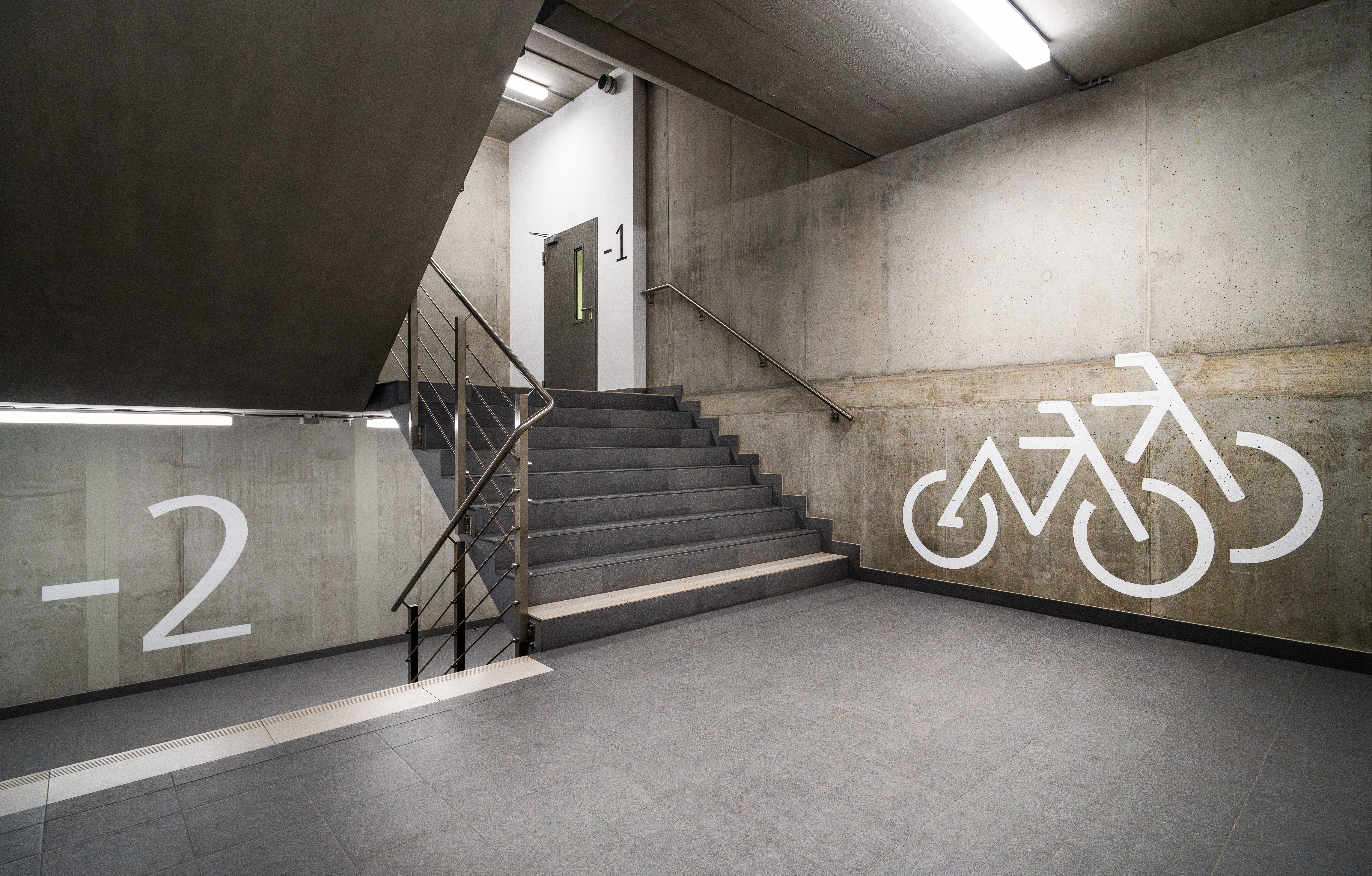
That reliability matters. Because every employee who cycles instead of drives reduces carbon emissions by an average of 3,000 kg per year. Every company that removes the friction from sustainable commuting moves closer to their environmental commitments.
We talk a lot about culture change and sustainability initiatives. But often, the biggest barrier isn't will, it's friction. The small, daily frustrations that make the sustainable choice just slightly harder than the convenient one.
Remove that friction, and behaviour changes naturally.
Looking Forward
The workplace is evolving faster than ever. Hybrid schedules, flexible working, and sustainability imperatives are reshaping how we think about office space. The organisations that thrive will be those that make the sustainable, healthy, community-building choices the easy ones.
Smart bike parking is just the beginning. It's a proof point that shows what's possible when we apply connected intelligence to the overlooked corners of workplace experience. Because if we can solve the 8:47am bike rack lottery, what else might we fix?
The future workplace doesn't just track occupancy, it anticipates needs. It doesn't just manage resources, it optimises experiences. And it doesn't just house employees, it actively supports the way they want to work and live.

That future is already here. It's just unevenly distributed.
And right now, it's showing up in bike rooms across forward-thinking organisations worldwide, one green LED at a time.
Ready to solve your workplace's bike parking challenge?
Learn more about Smart Core Connect's intelligent booking solutions or schedule a demo to see the system in action.
Related articles
Our platform is designed to empower businesses of all sizes to work smarter and achieve their goals with confidence.