AI
When buildings think: How IoT and AI turn ordinary spaces into smart, self-optimising environments
See how smart buildings are transcending connectivity to become truly intelligent

Smart buildings are moving from simply “connected” to truly intelligent. IoT and AI now let buildings sense what’s happening, learn from it, and act autonomously to improve comfort, efficiency, and sustainability. This article explains what smart buildings are, how IoT and AI work together behind the scenes, and where the biggest wins are for energy, maintenance, security, wellbeing, and ESG.
What exactly is a smart building?
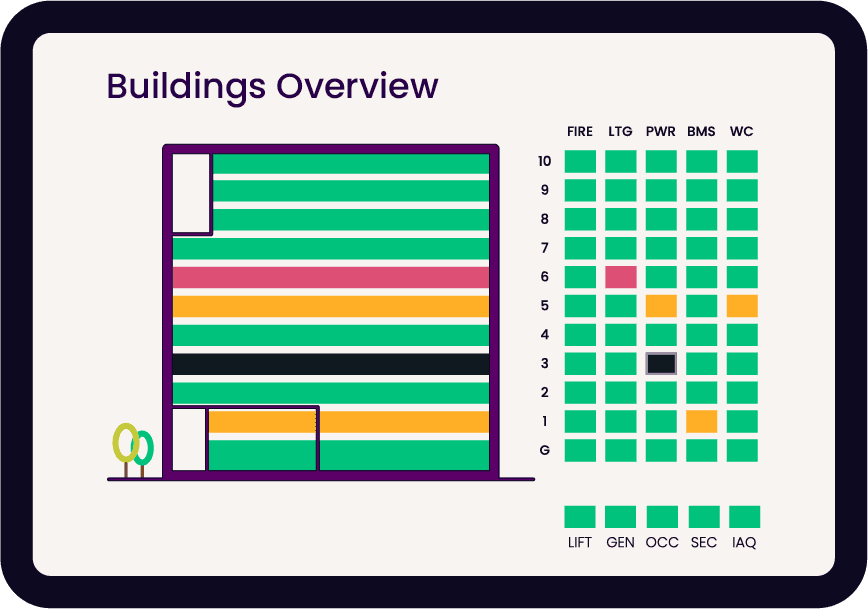
A smart building uses connected devices, data, and automation to monitor and optimise core functions such as lighting, HVAC, security, and energy use. Instead of running on fixed schedules, it continuously adjusts to real conditions and occupant needs.
In practice, that might look like lights that dim automatically when daylight increases, HVAC that responds to real-time occupancy, or access control that adapts to changing risk levels. The common denominator is data flowing from sensors into software that can make intelligent decisions.
What role does IoT play in smart buildings?
IoT (Internet of Things) is the sensing and data collection layer of a smart building. It gives the building “eyes and ears” through a network of connected devices.
Typical IoT devices in a building include:
Temperature and humidity sensors
Motion and occupancy detectors
Smart lighting controls
Energy meters and power sensors
CCTV cameras and access control systems
These devices constantly monitor environmental and operational conditions. The data they generate is what allows AI platforms to understand what’s happening in every space and system.
How does AI make buildings intelligent?
AI is the brain of a smart building. It analyses IoT data, spots patterns, predicts what will happen next, and recommends or takes actions to optimise performance.
AI in a smart building can:
Predict energy usage and adjust setpoints to cut waste
Detect anomalies in equipment behaviour before failures occur
Learn preferences and tune conditions for occupant comfort
Strengthen security through intelligent monitoring and access decisions
Because AI models learn over time, performance improves as more data is collected. The building moves from static automation to a continuously learning environment.
Why are IoT and AI better together?
On their own, IoT and AI are useful, but together, they create genuinely intelligent spaces. IoT provides real-time situational awareness, and AI turns that awareness into prediction, optimisation, and autonomy.
A simple way to think about it:
IoT | AI |
Collects and transmits real-time data | Analyses and interprets that data |
Provides situational awareness | Provides predictive intelligence |
Enables automation | Enables optimisation |
Reacts to events | Anticipates future events |
For example, IoT lighting can detect presence and adjust brightness when someone enters a room. Add AI, and the system can learn occupancy patterns across days and seasons, then optimise lighting schedules to save energy without sacrificing user experience.
How do IoT and AI improve energy efficiency?
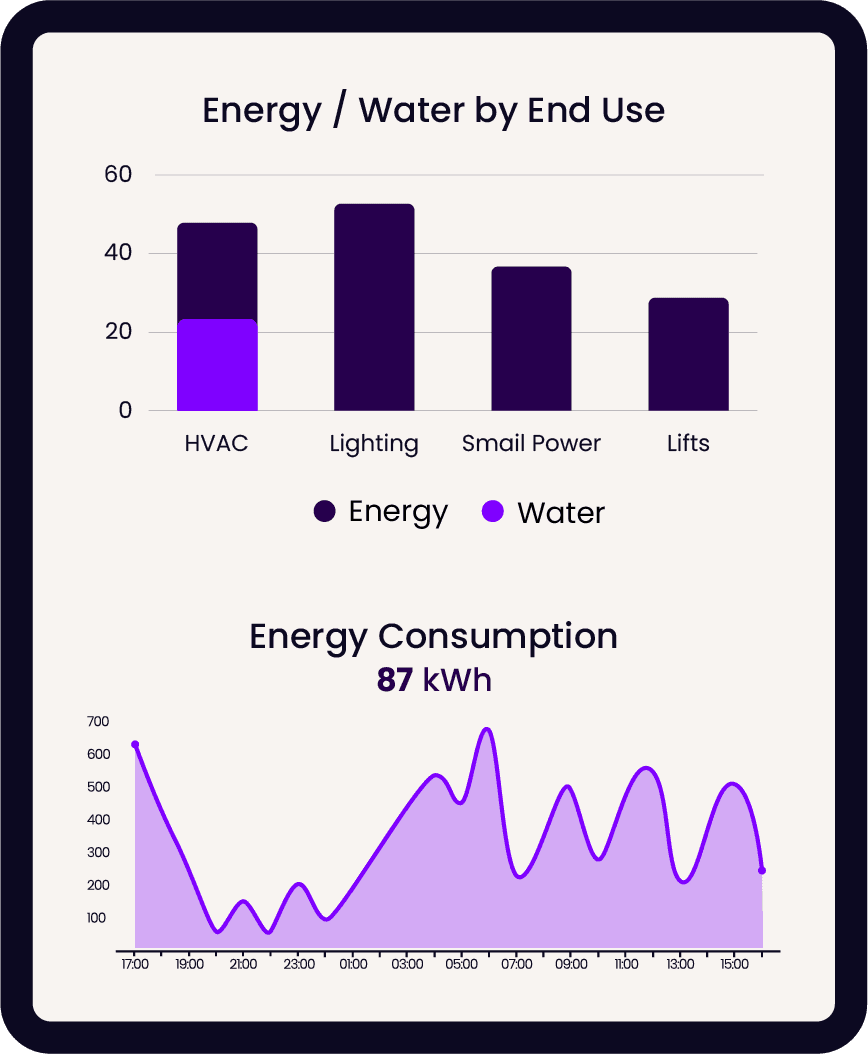
Energy efficiency is one of the clearest and fastest-return use cases for IoT and AI. Instead of relying on static schedules or manual tweaks, the building dynamically matches energy use to actual demand.
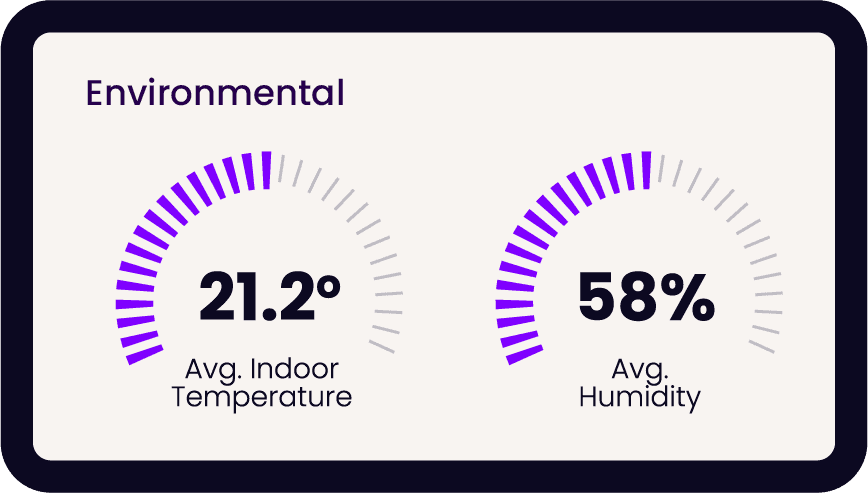
Sensors monitor temperature, humidity, CO₂, and occupancy; AI uses this data to orchestrate HVAC, lighting, and other loads.
For example:
Reducing HVAC output in rooms that are empty at certain times of day
Dimming lights near windows on bright days while maintaining comfort deeper in the floorplate
Automatically shutting down or putting systems into setback modes overnight or at weekends
The result is lower energy bills, reduced carbon emissions, and better alignment with sustainability targets, all without needing constant human intervention.

How do smart buildings enhance security?
Security becomes more proactive when IoT and AI are combined. Instead of relying on people watching CCTV feeds, AI can analyse video and sensor data in real time.
AI-enabled security can:
Spot unusual motion or behaviour patterns and alert teams immediately
Recognise faces or credentials to tailor access control
Detect abandoned objects or overcrowded spaces that may indicate risk
When integrated with IoT-enabled locks, alarms, and communication systems, the building can respond automatically, locking specific doors, triggering alerts, or guiding occupants to safety faster than a human ever could.

What is predictive maintenance in smart buildings?
Predictive maintenance uses IoT data and AI to move from reactive repairs to planned interventions based on asset condition. Rather than waiting for something to fail or following rigid maintenance intervals, the system flags issues early.
Sensors track metrics like vibration, temperature, pressure, and run-time. AI models analyse these signals to identify patterns that precede faults.
This delivers benefits such as:
Reduced unplanned downtime and business disruption
Lower overall maintenance and emergency call-out costs
Longer asset lifespans
Increased safety and reliability
For example, if a fan or pump starts to show abnormal vibration, the system can automatically raise a ticket and schedule an inspection before it fails.
How do IoT and AI improve the occupant experience?
Smart buildings matter most when they improve life for the people using them. IoT and AI enable environments that feel more personalised, comfortable, and intuitive.
Practical examples include:
Lighting and HVAC that adapt to individual or team preferences and real-time occupancy
Continuous monitoring of air quality, temperature, and lighting levels to support wellbeing and productivity
User interfaces (apps, portals, or voice assistants) that give occupants simple control over their workspace and shared amenities.
In a world of hybrid work and increased focus on wellbeing, these features make buildings more attractive, competitive, and aligned with tenant expectations.

How do smart buildings support sustainability and ESG?
Sustainability is now a core requirement for real estate, not just a “nice-to-have”. IoT and AI give operators the data and control needed to hit environmental targets and prove performance.
By tracking energy, water, and waste, AI can highlight inefficiencies and suggest specific changes.
Examples include:
Detecting and locating water leaks quickly via flow and moisture sensors
Reducing energy waste using intelligent load management and demand response
Coordinating with on-site solar, batteries, and other low-carbon technologies
This kind of continuous optimisation and auditable data trail supports certifications such as BREEAM and helps owners address ESG requirements and investor expectations.

What does the future of smart buildings look like?
Smart buildings are evolving toward more autonomous operation. As IoT coverage increases and AI models become more capable, buildings will take on more decision-making within defined guardrails.
In future, a building or portfolio could:
Automatically schedule maintenance and order parts based on predicted needs
Balance loads across multiple buildings to minimise peaks and costs
Adjust operations in advance based on weather, tariffs, and expected occupancy
Coordinate with city-level systems as part of a wider smart district
This shift reduces operational overhead, improves resilience, and supports more responsive, data-driven urban environments.
What are the main challenges?
The journey to IoT- and AI-enabled buildings does come with challenges.
Common issues include:
Data security and privacy, particularly when handling occupant data
Integrating legacy building systems with modern platforms and cloud services
Upfront investment in sensors, networks, and software
Skills gaps in areas such as data analytics, cybersecurity, and digital building operations
However, as technology costs fall, standards improve, and more reference projects exist, these barriers are becoming easier to manage with the right strategy and partners.
Building a smarter future
The integration of IoT and AI in smart buildings represents one of the most transformative shifts in modern infrastructure. These technologies are not just improving operational efficiency, they’re reshaping the way we experience built environments. From energy optimisation and predictive maintenance to personalised comfort and sustainability, IoT and AI are turning static structures into dynamic, intelligent ecosystems.
At Smart Core, we believe the buildings of tomorrow will be more than mere workspaces, they’ll be living systems that learn, adapt, and evolve alongside the people who inhabit them. The future isn’t coming, it’s already here, and it’s connected.

Smart buildings and AI/IoT FAQ
Can existing buildings be upgraded to be smart, or is this just for new builds?
Most existing buildings can be made significantly smarter without major structural work. Retrofitting typically involves adding sensors, connecting existing systems to a central platform, and layering analytics and automation on top of what is already there.
What is the first step to implementing IoT and AI in a building?
A practical starting point is to focus on one or two high-impact use cases, often energy optimisation or fault detection. From there, you can audit existing systems, close data gaps with targeted sensors, and implement a platform that can start generating quick wins.
How does a smart building protect data and privacy?
Secure smart buildings are designed with cybersecurity and privacy in mind from the outset. That means securing devices and networks, encrypting data, defining clear access controls, and being transparent about how occupant-related data is collected, stored, and used.
Is AI going to replace facilities managers and operators?
AI is more likely to change the role than replace it. Instead of spending time on manual checks and reactive firefighting, facilities teams can focus on interpreting insights, prioritising investments, and collaborating with stakeholders using better, real-time information.
How do smart buildings help with certifications and ESG goals?
Smart buildings generate the detailed performance data needed for green building certifications and ESG reporting. Continuous monitoring and analytics make it easier to evidence improvements in energy, carbon, water, and wellbeing, and to stay on track with internal and regulatory targets.
Will buildings ever be fully autonomous?
Full autonomy is a long-term direction rather than a switch. Over time, more tasks will be automated within clear rules, with humans still responsible for strategy, governance, and exceptions.
Related articles
Our platform is designed to empower businesses of all sizes to work smarter and achieve their goals with confidence.